What Dogs Should Never Eat
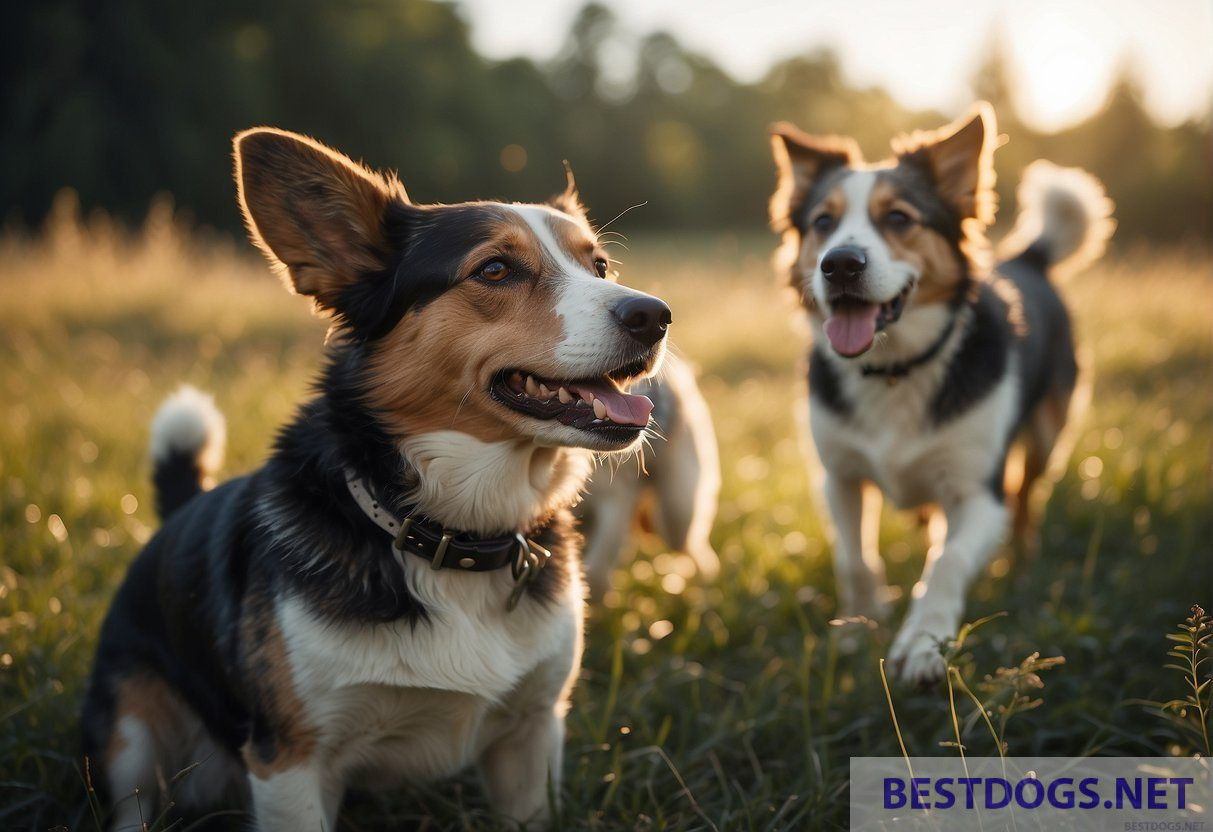
Some foods in your kitchen can make your dog very sick in just a few minutes. Chocolate, grapes, and onions are top of the list of what dogs should never eat. Keeping these away from your pet keeps them safe and out of the emergency room.
The short answer is simple. Stick to dog food and safe dog treats, and keep human food up high. If your dog eats any bad food by mistake, call your vet right away. Quick action saves lives.
Why Common Kitchen Foods Hurt Your Dog
Your dog body works differently than yours. A small snack for you can poison a small pup. Their livers and kidneys cannot break down certain chemicals found in human food.
Take grapes and raisins as a big example. Just three or four grapes can cause sudden kidney failure in a twenty pound dog. Doctors still do not know the exact chemical in the grape that causes it. That makes it extra dangerous because any amount is a risk. If you drop a grape on the rug, pick it up fast before your dog snatches it.
Chocolate is another big hazard. Dark baking chocolate is the worst kind. It has high amounts of a bitter chemical called theobromine. A small eight ounce bag of cocoa powder can easily poison a large lab. Your dog heart races, their legs shake, and they can get very sick. White chocolate has less risk, but the heavy fats can still hurt your dog tummy.

Sweet Treats and Bakery Items That Poison Dogs
Baking ingredients sit in low cabinets in many kitchens. That puts them right at nose level for a curious pet. You need to keep these items locked up tight.
Xylitol is a fake sugar used in sugar free gum, peanut butter, and baked goods. It is very dangerous for dogs. If a dog eats a piece of gum with xylitol, their blood sugar drops to low levels in ten minutes. They might wobble, fall over, or have a seizure. Always read the label on your peanut butter jar before you smear it inside a chew toy. Make sure it lists peanuts as the only ingredient.
Raw bread dough is another hidden danger. When a dog swallows raw yeast dough, the warm dough expands in their warm stomach. It swells up like a balloon. This stretches the stomach and causes bad pain. The yeast also makes tiny amounts of alcohol as it grows inside the dog, which poisons their blood. If your dog sneaks dough off the counter, do not wait. Call your vet right away.
Macadamia nuts are bad too. Eating just six raw or roasted macadamia nuts can make a medium dog weak in their back legs. They start to shake, throw up, and get a high fever. Most dogs get better in two days, but it is very hard to watch them suffer through it.
Onions, Garlic, and Savory Kitchen Hazards
Many meal recipes start with chopped onions or garlic. These items belong to a plant family that damages red blood cells in dogs. It does not matter if the onion is raw, cooked, or turned into dry powder.
Garlic is five times stronger than regular onions. A bowl of soup made with garlic powder can cause anemia in a small spaniel. The red blood cells pop inside the body, so the dog cannot carry oxygen to their legs and brain. You might notice your dog sleeps all day and has pale gum tissue. Their pee might look dark red or brown. These signs show up three to five days after they eat the bad food.
Avocado skin and pit hold a toxin called persin. The soft green fruit is not as bad, but the giant round seed in the center is a big hazard. A dog can choke on the pit, or it can get stuck inside their intestines. Removing a pit requires costly surgery. Toss your avocado scraps in a trash can with a tight lid.
Salty snacks like chips and pretzels cause issues too. Too much salt makes a dog super thirsty. If a small dog eats a whole bag of salty snacks, they can get salt poisoning. They start drinking water non-stop, throwing up, and twitching. Keep your snack bowls high up during game night.
Dangerous Drinks and Bones
What your dog drinks matters just as much as what they eat. Never leave adult drinks where a pet can lap them up. A small lap dog can pass out from just two licks of a sweet mixed drink.
Coffee, tea, and energy drinks carry high amounts of caffeine. Caffeine makes a dog heart beat way too fast. It acts like chocolate in their body. A dog that laps up split coffee beans will pant, pace around the room, and bark at nothing. Their muscles get stiff and hard to move.
You might think giving a cooked steak bone to a Dog is a nice gift. It is actually very risky. Cooked bones dry out and get brittle. When your dog bites down hard, the bone snaps into sharp glass splinters. These splinters cut the inside of the throat and scrape the stomach wall. Raw bones from a meat shop are safer, but cooked bones should always go in the bin.
Dairy products like cow milk and cheese cause tummy trouble for most adult dogs. Dogs do not have enough of the body chemical needed to break down milk sugars. A slice of cheddar as a trick reward is fine for most dogs. A whole bowl of milk will likely lead to soft poop and painful gas for hours.
What Should Dogs Never Eat?
People often search for a full list when planning dog meals. Here is a quick reference guide of what dogs should never eat under any condition:
- Chocolate, cocoa, and baking scraps
- Grapes, raisins, and dried currants
- Onions, garlic, chives, and leeks
- Xylitol fake sugar in gum or peanut butter
- Macadamia nuts and moldy walnuts
- Coffee grounds, tea bags, and energy drinks
- Raw yeast dough from baking
- Cooked chicken, beef, or pork bones
- Alcohol and fermented fruit
- Fruit pits from peaches, cherries, and plums
For more fun reading about ancient stories, check out Legends of the Moon From Around the World.
What to Do If Your Dog Eats Poisonous Food
Accidents happen fast. You drop a pan, look away for two seconds, and the sausage loaded with onion powder is gone. Staying calm helps you act fast to save your pet.
First, figure out what they ate and how much. Save the food wrapper if there is one. Read the list of ingredients to see if xylitol or chocolate is printed there. Weighing your dog on your bathroom scale gives the doctor helpful facts.
Second, call your local animal doctor immediately. Do not wait for symptoms to start showing up. By the time a dog shakes or throws up, the poison is already in their blood. The vet might tell you to bring the dog in so they can make them throw up safely. Never make your dog throw up at home unless a doctor tells you to do it. Some chemicals burn the throat on the way back up.
Keep the number of an emergency animal clinic saved in your phone contacts. If your regular clinic is closed at night, the emergency clinic can guide you through the right steps. You can learn more about general pet safety at our pet care resources and dog guides page.
How to Keep Bad Foods Away From Your Dog
Preventing a problem is much easier than fixing one. A few simple changes in your home keep your pup out of trouble every day.
Use trash cans with lockable lids or keep your bin inside a low cabinet with a child lock. Hungry dogs love to push over plastic trash cans to lick old food wrappers. An hour of digging in the trash can land your pup in the hospital with a blocked gut or bad stomach pain.
Train your family to avoid feeding scraps from the dinner table. Children love to slip food under the table to the family dog. Teach kids that grapes, onions, and sweet treats hurt the dog tummy. Give them safe baby carrots or apple slices without seeds to share instead.
Check your floor after cooking or baking meals. Sweep up stray raisins, dropped nuts, and spilled cocoa powder before letting your pet back into the room. A clean floor means a safe pet. Spending five extra minutes cleaning your counters keeps your furry friend happy and healthy for years to come.


Comments
Post a Comment